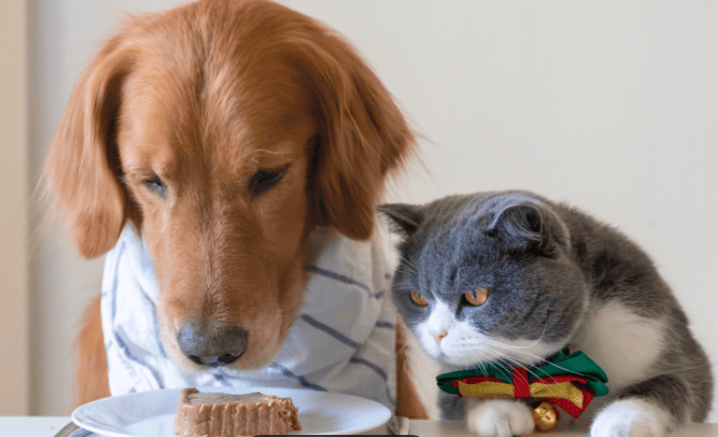
Walk into any pet food aisle today and the sheer amount of choice can be overwhelming.
Whether you’re a first-time pet owner or have had dogs or cats for years, you’re faced with an incredible range of options: wet food, dry kibble, fresh, frozen, baked, freeze-dried, minimally processed, veterinary diets, life-stage nutrition, breed-specific recipes, grain-free, functional treats and supplements.
Then there’s the packaging: single-serve, multi-serve, resealable pouches, bulk bags, variety packs, and finally the question of where to buy it: supermarkets, pet shops, veterinary practices, online retailers or direct subscription services.
So why does all this choice exist? After all, dogs and cats simply need safe, nutritious food to live long and healthy lives.
The answer comes down to three key factors.
1. We Buy With Our Eyes: Our Pets Eat With Their Noses
Unlike our own food, we never actually taste pet food.
Instead, we judge it by our pet’s reaction. Does it eat enthusiastically? Does it walk away? Does it seem excited at feeding time?
Manufacturers therefore have two customers to satisfy. The food must be nutritionally complete and highly palatable for the pet, while also looking wholesome, premium and trustworthy to the owner.
2. Convenience Matters
For some owners, feeding their pet is the best part of the day. For others, it’s simply another task in an already busy routine.
Modern pet food therefore has to be convenient.
It should be easy to store, easy to serve, clean to handle, smell acceptable in the home and, most importantly, be enjoyed by the pet with minimal waste.
3. Owners Want More Choice Than Ever
Knowledge about pet nutrition has increased dramatically over the past decade.
Today’s owners want products that suit their pet’s age, breed, lifestyle and specific health requirements. Social media, veterinary advice and online research have all increased awareness but they have also created uncertainty.
Many owners now ask themselves:
“Am I feeding my pet the very best food I can afford?”
That question continues to drive innovation across the industry.
What’s Hot in Pet Food?
Health and nutrition have always been important, but today’s consumer increasingly associates “fresh” and “minimally processed” with higher quality.
The word processed has, fairly or unfairly, developed negative connotations, despite the fact that modern pet food processing is essential for food safety, consistency and nutritional balance.
Current market trends include:
- Fresh and gently processed products
- Human-grade ingredient claims
- High meat inclusion
- Functional nutrition for gut health, joints and immunity
- Breed and life-stage specific diets
- Sustainable ingredients and packaging
- Personalised feeding plans
- Subscription services
- Premiumisation across all categories
Consumers increasingly want food that looks good enough for them to eat, while still providing complete and balanced nutrition specifically formulated for their pet.
What Food Types Still Dominate?
Despite the growth in premium fresh and frozen products, traditional complete pet foods remain the largest sectors by volume.
These include canned foods, pouches and dry kibble.
Modern wet foods continue to evolve, incorporating recognisable ingredients, vegetables, fish inclusions and premium gravy or jelly recipes. Advanced processing technologies can transform meat emulsions into fibrous chunks that closely resemble natural meat textures while delivering complete nutrition.
Dry pet food has also developed significantly. Manufacturers now use higher meat inclusion, grain-free formulations, specialised coatings and flavour systems to improve palatability.
One of the fastest-growing areas is the use of toppers, products added to dry kibble to increase flavour and create a more engaging feeding experience. Simply adding warm water can enhance aroma and encourage reluctant eaters while giving owners a greater sense of involvement during feeding.
Scaling Production – One Size Doesn’t Fit All
Whether producing wet food, dry kibble, treats or fresh and frozen products, scaling production from artisan manufacture to industrial volumes is one of the biggest challenges a business will face.
Many OEMs offer turnkey production lines or complete equipment packages through strategic partnerships. These can be excellent solutions but inevitably they are built around the OEM’s preferred technology.
The important question is:
Is that solution right for your business?
At 4pM Ltd, we believe every manufacturer deserves a production system designed around their products, their customers and their commercial objectives.
A traditional high-speed wet pet food line can produce around 1,000 units per minute, equivalent to approximately 1.3 million meals every day or over 400 million meals each year. Large manufacturers often operate several of these lines across multiple European factories.
Similarly, a modern dry pet food line producing around 5 tonnes per hour can pack approximately 1,600 three-kilogram bags every hour, with many manufacturers operating dedicated lines for different pack sizes to maximise efficiency.
Smaller manufacturers, however, may produce only one-tenth of these volumes while offering significantly greater product variety and flexibility.
For these businesses, a standard production line may be oversized, over-specified and unnecessarily expensive.
That’s where 4pM Ltd can add real value.
Rather than designing a standard factory, we engineer a solution tailored to your products, your USP, your budget and your long-term growth strategy.
Successful scale-up isn’t simply about increasing capacity, it’s about making investments that continue delivering value as your business grows.
How 4pM Ltd Can Help
At 4pM Ltd, we act as our clients’ pet food engineers.
With more than 35 years’ experience across wet food, dry food, treats, fresh and frozen pet foods, we combine practical manufacturing knowledge with independent engineering expertise.
Our services include:
- Process design
- Factory layouts
- Automation strategy
- Packaging solutions
- Equipment selection
- Technical due diligence
- Capacity planning
- Scale-up strategies
- Productivity improvement
- Operational efficiency
Because we are independent, we recommend the equipment and processes that best suit your business, not a particular supplier.
Whether you’re launching a new product, expanding production, introducing new packaging formats or planning your next phase of growth, we can help you avoid costly mistakes and make informed investment decisions.
If you’d like to discuss your pet food operation and future growth plans, we’d be delighted to help. Get in touch with us through my email address Paul.Chalmers4pm@gmail.com to start the conversation.


Leave a Reply